Who Gets the Extra Game? A Volleyball Lesson in Remainders
A practical maths lesson: seventeen players, six rounds of six-a-side volleyball, and a register that doesn’t add up. Pupils use remainders and a spreadsheet to check the scorer’s claim.

A practical maths lesson: seventeen players, six rounds of six-a-side volleyball, and a register that doesn’t add up. Pupils use remainders and a spreadsheet to check the scorer’s claim.
A four-step, tool-neutral lesson that helps students reconstruct a weighted average by hand, test what-if changes, and check when a gradebook result stops being useful.
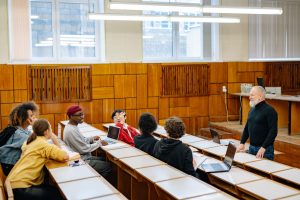
A practical classroom debate routine: give each speaker one specific instruction from a moment in their speech, then let them try it in a 30-second replay.
A new year-long study of 4,062 secondary pupils in Germany finds that using AI to get tasks done is linked to lower effort, using it to learn is linked to more, and lower-attaining pupils use it most. Here is how to teach the difference.
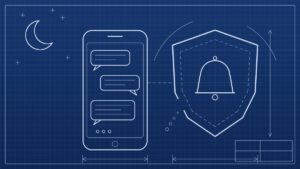
Independent tests of ChatGPT's teen mode found parent alerts that never fired and missed crisis referrals. Here is what new safeguarding guidance expects and what schools can do this half term.

Most pupils who open a chatbot when they feel low would not call it getting help. Two new surveys from the United States (US) and England show who turns to artificial intelligence (AI) for emotional support, and what schools can do about it.
Are you looking to sell your land quickly and hassle-free? Direct land buyers like SellLand might be the answer you've been searching for.
A practical stop-and-recovery exercise for school leaders considering AI assistants that can change records or contact families.
A ready-to-teach, three-lesson mini unit that helps students treat their inbox as a key, spot scam emails, and decide when a sign-up actually needs their address.
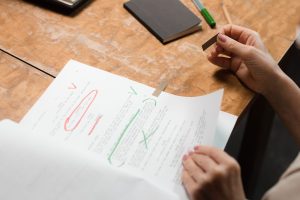
A tool-neutral classroom exercise that helps students compare two versions of an assignment brief, record what changed, and check which copy is actually approved.
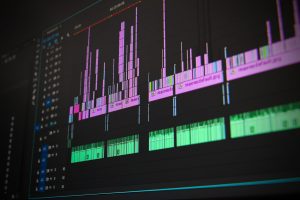
A 30-minute media literacy lesson in which students compare two versions of the same scene, point to a specific cut, and test how timing changes the way it feels.

A Stanford University review of 52 strong studies finds artificial intelligence (AI) helps pupils most when they use it to understand material, and can harm learning when it does the work. Here is what it means for teachers and school leaders.
