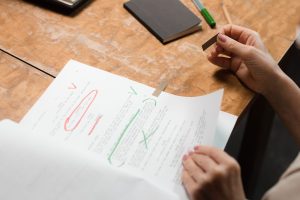
Beyond FINAL.pdf: a classroom exercise in checking document revisions
A tool-neutral classroom exercise that helps students compare two versions of an assignment brief, record what changed, and check which copy is actually approved.

A tool-neutral classroom exercise that helps students compare two versions of an assignment brief, record what changed, and check which copy is actually approved.
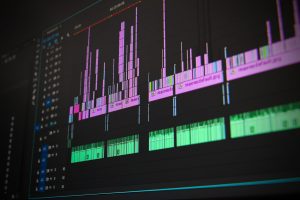
A 30-minute media literacy lesson in which students compare two versions of the same scene, point to a specific cut, and test how timing changes the way it feels.
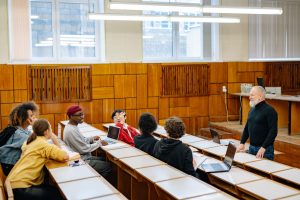
A practical classroom debate routine: give each speaker one specific instruction from a moment in their speech, then let them try it in a 30-second replay.

Pupils who practise with an artificial intelligence (AI) chatbot get more answers right, but a new study of 839 secondary pupils finds those answers say little about what they can do alone. Here is how to separate practice from proof in your lessons.
AI search tools have changed how backlinks are found and judged. Here is what a backlink analysis involves, how AI speeds it up, and five steps and three tools to run one.
A speed score does not tell a learner what to practise next. This five-line typing exit ticket records the task, the conditions, one observation and one change for next time.

Ten skills senior managers can build to prepare for future leadership roles, from strategic foresight and emotional intelligence to change management and AI awareness.

When a student gets a maths problem wrong, an AI tutor that just shows the right answer can hide the misunderstanding. Here are three common mistakes and what good AI feedback looks like for each.
A step-by-step guide for teachers on changing the text inside an existing PDF worksheet, plus what to do with scanned sheets and how to avoid the common mistakes.
An AI tutor can sound certain that a student has mastered a topic. A simulation study shows why that confidence is not evidence, plus a seven-question checklist for judging any AI tutor's mastery claims.

Most teachers now use artificial intelligence (AI), but only about a third say their school has a policy on staff use. New research suggests being open with pupils costs little and builds trust. Here is a simple disclosure routine for your classroom.

A Stanford University review of 52 strong studies finds artificial intelligence (AI) helps pupils most when they use it to understand material, and can harm learning when it does the work. Here is what it means for teachers and school leaders.

