
AI and Homework: Why Better Scores Can Mean Less Learning
When pupils use AI on homework, the homework improves and the learning gets worse. Two new studies and a warning from Ofqual explain why, and what teachers can change this half term.

When pupils use AI on homework, the homework improves and the learning gets worse. Two new studies and a warning from Ofqual explain why, and what teachers can change this half term.

The Department for Education (DfE) has proposed independent edtech safety certification for filters, data-heavy apps, pupil-facing artificial intelligence (AI) and personalised learning tools. Here is what a badge would cover, what it would not, and what schools can do in the meantime.

A new study asked 454 children across the United Kingdom (UK) about the technology they use at school. They described apps that rush, track and upsell them, and they want a say. Here is what school leaders can change this term.
Imagine a Year 9 pupil who asks an artificial…

Google is switching AI off by default for pupils, Seattle is blocking it and more districts are drafting bans by age. A pause gives schools time, but only if it comes with staff training, AI literacy teaching and protected access for pupils who need it.

Google says schools that want its artificial intelligence (AI) features off must lose Google Search too. Here is what the row over AI Overviews means for teachers, and four ways to protect pupils' research skills.

Picture a Year 6 teacher on a Sunday evening.…

Ask any primary teacher where their evenings go and…

A randomised trial in 14 schools in Turkey gave teachers an artificial intelligence (AI) planning assistant. Their pupils rated classes as less interesting and less important, and pupils of weaker teachers did worse in exams. Here is what it means for how you plan.

A new year-long study of 4,062 secondary pupils in Germany finds that using AI to get tasks done is linked to lower effort, using it to learn is linked to more, and lower-attaining pupils use it most. Here is how to teach the difference.

New trials of AI tutors in American and Chinese schools, and an Education Endowment Foundation trial in England, show modest gains. The tutors can help, but pupils rarely ask them to unless the lesson gives them a reason.
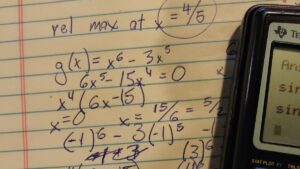
A University of Cambridge experiment gave sixth formers hard maths problems with a human tutor, an artificial intelligence (AI) tutor or internet search. The human tutor made difficulty feel manageable, the AI tutor kept students working, and search left them most stressed. Here is what it means for schools.
