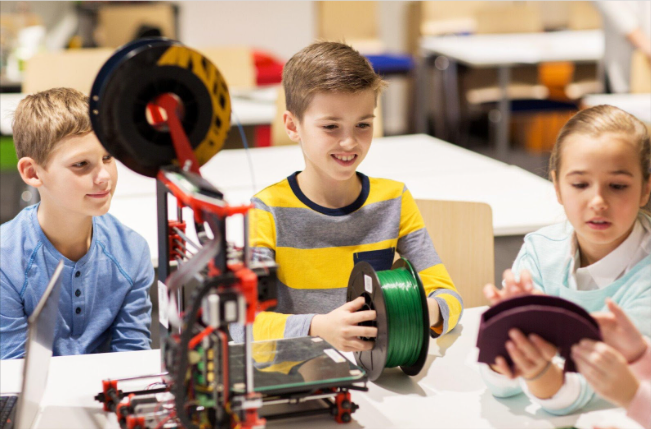
Building a robot for the first time is exciting and rewarding. Your first robot will help you learn how machines move, think, and react. You do not need advanced skills to begin.
This guide breaks each step into simple actions. You will gain confidence as you build and test your first robot. Keep reading to start your robotics journey today.
Understanding Robotics Basics
Robotics includes many fields such as engineering, computer science, and design. Learning these basics helps you understand how robots work. It will make your first robot project easier and more fun.
Start by exploring different types of robots. Some are simple, and some are very complex. Familiarize yourself with terms like sensors, motors, and controllers.
Basic robotics is about breaking down tasks into simpler parts. This approach makes it easier to build and program a robot. Knowing the terms and components is the first step in your journey.
Gathering Essential Tools and Materials
Having the right tools saves time and effort. Common tools include screwdrivers, pliers, and wire cutters. Keep them within reach while working.
You also need robot parts like motors, wheels, and a controller. Many beginners use kits to stay organized. Kits reduce guesswork and missing items.
Choose parts that match your skill level. Avoid advanced components at first. Simple parts help you learn faster.
Choosing the Right Robot Kit
Choosing a robot kit is essential for beginners. Look for a kit designed for beginners in robotics. These kits often include step-by-step instructions.
Consider factors such as your budget and the complexity of the kit. Some kits are more affordable but can still provide a great learning experience. Research different options to find the best fit for you.
If you want a reliable option, check out the FTC starter kit. It offers quality parts for learning. It supports smooth assembly and testing.
Understanding Robot Components
Every robot consists of basic components. These include sensors, microcontrollers, and actuators. Knowing these parts will help you understand how robots operate.
Sensors collect data from the environment. They tell the robot what to do based on that information. For example, a light sensor helps the robot know when to stop or move.
Actuators are responsible for movement. They allow the robot to perform tasks. Understanding how these components work will make your building process much easier.
Designing Your First Robot
Begin designing your robot before assembling it. Draw a simple sketch of your robot’s parts. Visualizing your design helps identify what you need.
Stick to a simple robot design for your first project. You can add more features later as you learn. Focus on functionality rather than complexity for a successful outcome.
Consider the tasks you want your robot to perform. This will guide how you configure your sensors and motors. A clear design will make the building process flow better.
Building the Robot Frame
Start by building the frame of your robot. Use lightweight materials like plastic or aluminum for easy handling. Make sure the frame is sturdy to support all components.
Follow your sketch while building the frame. Measure and cut each piece carefully. Precision in building will help everything fit together nicely.
Check the frame after assembling it. Ensure it is stable and has no loose parts. A solid frame will ensure your robot works effectively.
Connecting Electronics
Next, connect the electronic parts. Following your design, attach sensors and motors to the frame. Make sure each connection is secure and properly insulated.
Use a soldering iron for strong and lasting connections. It’s essential to avoid loose wires that can cause issues. Double-check your connections to ensure everything is correct.
Understand the wiring schematic for your robot. Each component has a specific connection point. Knowing this will prevent mistakes and improve overall performance.
Programming Your Robot
Once your robot is built, it’s time to program it. Learn the basics of coding, focusing on the programming language of your microcontroller. Many robot kits offer user-friendly programming environments for beginners.
Start with simple commands to make your first robot move. Test each part of your program gradually. This method helps catch any errors quickly and builds confidence.
Experiment with different functions. Once you master the basics, add sensors to automate tasks. Programming is where your robot truly comes to life.
Testing Your Robot
After programming, testing is crucial. Run your robot in a controlled environment to check its functions. Observe how it responds to commands and sensors.
Make adjustments as needed based on testing results. Don’t be discouraged if it doesn’t work the first time. Troubleshooting is a significant part of building and learning.
Document any challenges you face. Keeping a log can help you learn from mistakes. It will also give you a reference for future projects.
Improving and Customizing Your Robot
Once you complete the basic build, explore upgrades. You can enhance functionality by adding more sensors or motors. Customization makes your robot more exciting and personal.
Take time to improve programming. Tweak the code for better performance and efficiency. Experimenting with your robot’s abilities can lead to exciting discoveries.
Join online communities for new builders. Share your experiences and ideas. Learning from others can inspire new modifications for your robot.
Resources and Further Learning
Use online resources to improve your skills. Websites, forums, and tutorials offer a wealth of knowledge. Learning from experts can help you advance faster in basic robotics.
Consider attending local robotics workshops or events. Connecting with others who share your interests can be motivating. These opportunities can also provide hands-on experience.
Explore books about robotics for beginners. They can provide a deeper understanding of concepts. Many authors share valuable insights that can enhance your learning journey.
Finish Strong: Completing Your First Robot
Completing your first robot is an exciting achievement. Celebrate your hard work and showcase your creation. Share your project with friends or online platforms.
As you gain experience, consider more advanced projects. Challenge yourself with complex robots or competitions. Each project will build your skills and understanding.
Remember, the journey doesn’t end here. Robotics is constantly evolving, and there’s always more to learn.
Did this article help you? If so, take a look at some of our other blog posts for more informative reads.