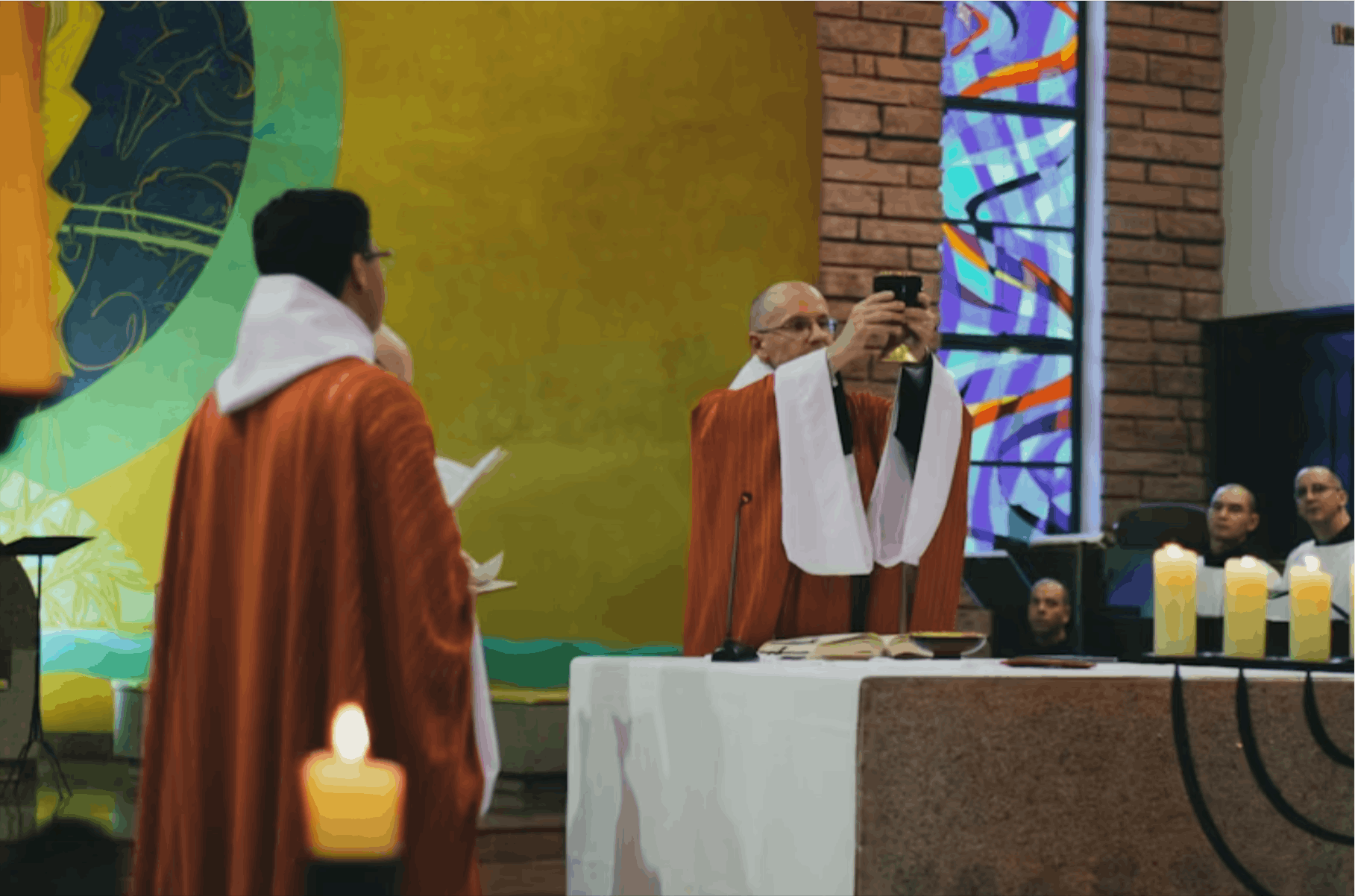
Understanding the Essence of Seminarios Cristianos
Historical Context: The Roots of Christian Seminars
The history of Seminarios Cristianos, or Christian seminars, can be traced back to the early days of the Christian church, where gatherings for teaching, fellowship, and worship were crucial in nurturing the faith of believers. The early church established a pattern of communal learning and shared spiritual experiences that fostered a foundational understanding of Christian doctrine and community life. This historical backdrop laid the groundwork for modern Christian seminars, which continue to evolve in response to the theological, cultural, and societal shifts over the centuries. With the Reformation era in the 16th century, a renewed emphasis was placed on individual Bible study and personal faith, leading to the formation of various denominations that each upheld the notion of education within their faith communities. As Christianity expanded globally, so too did the method of imparting religious teachings, with seminars becoming a favored approach for equipping believers. Today’s seminarios are not merely educational sessions; they are vibrant platforms for theological discourse, community dialogue, and spiritual formation, reflecting a rich lineage that merges tradition with contemporary relevance.
Core Objectives: What Are Seminarios Cristianos Aiming To Achieve?
At their core, Seminarios Cristianos aim to fulfill several significant objectives that underpin their existence within the Christian community. One primary goal is to deepen the participants’ understanding of Scripture and core theological principles. By providing a structured environment where complex biblical topics are unpacked, these seminars enable attendees to engage thoughtfully with Scripture, encouraging personal study and application in their daily lives. This mission aligns with the call to discipleship found in Matthew 28:19-20, where believers are tasked with making disciples and teaching others to observe the teachings of Christ. Another objective of these seminars is fostering a sense of community among believers. In a world often marked by isolation and division, the seminars serve as nurturing grounds for connection, allowing individuals from diverse backgrounds to come together under a shared belief. Attendees find not only companionship but also accountability, which is pivotal in the journey of faith. Furthermore, many seminars underscore the importance of service, encouraging participants to put their faith into action, thus promoting a holistic approach to spiritual development where learning translates into tangible contributions to society. Additionally, equipping future leaders is an inherent purpose behind many Seminarios Cristianos. The focus on cultivating leadership skills in laypersons and church leaders ensures that the church remains vibrant and dynamic, capable of addressing both current and future challenges in a Christ-centered manner. Many of these seminars provide training in ministry, evangelism, and social justice issues, aligning with the broader mission of the church to be the hands and feet of Christ in a changing world.
The Role of Faith in Shaping Seminar Content
Faith is the cornerstone that shapes the entire framework of Seminarios Cristianos. The content presented during these seminars is deeply rooted in Christian beliefs, drawing from canonical texts, historical interpretations, and contemporary relevance. Theological themes explored in these events are carefully selected to resonate with the lived experiences of believers, making the teachings accessible and applicable to real-world situations. Moreover, faith informs the methodology employed in these seminars. Rather than a purely academic approach, the seminars attempt to foster a communal learning experience steeped in prayer, worship, and reflection. This approach acknowledges that faith is not just an intellectual pursuit but an experiential journey that encompasses heart and mind. Participants are often encouraged to engage in discussions, pose questions, and share personal testimonies that highlight how biblical truths have impacted their lives. Additionally, in an era where moral relativism often prevails, the content is also designed to reinforce a strong ethical framework grounded in Scripture. This embedding of faith into seminar content guides participants toward a deeper understanding of their identity in Christ and the societal implications of their beliefs, fostering a sense of purpose and direction in line with their faith.
The Transformative Power of Seminarios Cristianos
Personal Growth: How Spiritual Seminars Can Change Lives
The transformative power of Seminarios Cristianos is perhaps most evident in the personal growth of participants. These seminars provide a unique opportunity for individuals to step outside their daily routines and dedicate time to reflect, learn, and grow spiritually. The content often challenges attendees to confront preconceived notions, wrestle with doubts, and strengthen their beliefs through the teachings of Scripture. One of the profound ways that personal transformation occurs is through the facilitation of deep spiritual practices, such as prayer, meditation, and contemplation. Many seminarios incorporate elements that encourage mindfulness and spiritual reflection, urging participants to cultivate a habit of seeking God in their everyday lives. This intentional focus on personal encounters with God has the potential to lead to significant shifts in attitude, outlook, and behavior. Moreover, the act of learning in a communal environment fosters not only knowledge acquisition but also support from like-minded individuals. The relationships built during these sessions can be a catalyst for accountability and encouragement, as participants share their journeys of faith and challenges they face. Many have reported that such interactions significantly contribute to their growth, helping them realize they are not alone in their struggles. Furthermore, the seminars often offer resources for ongoing spiritual development beyond the event, such as recommended readings, mentorship opportunities, and online platforms for continued discussion and learning. This ongoing support underscores the commitment to fostering long-term spiritual growth and not merely a temporary experience.
Community Building: Fostering Connections Through Faith
Seminarios Cristianos serve as hubs for building community among participants, as they provide a platform for interaction and relationship-building. In an age marked by digital communication and often fragmented social structures, these gatherings offer a unique opportunity for nurturing meaningful connections that transcend superficial acquaintances. During the seminars, participants often engage in small group discussions, collaborative projects, and shared worship experiences that promote genuine bonding. These interactions lay the groundwork for lasting relationships, allowing members to forge a supportive network centered on their shared faith. This sense of belonging can be particularly transformative for newcomers or those who may feel isolated in their faith journey. Another critical aspect of community building through these seminars is the diversity of backgrounds represented. As individuals come together from various cultural, socioeconomic, and denominational backgrounds, seminars provide a space for dialogue that enriches understanding and deepens appreciation for the body of Christ as a whole. Discussions about varying perspectives can be enlightening, challenging stereotypes, and fostering empathy among participants. Additionally, the community aspect extends beyond the seminars themselves, often leading to collective service projects, outreach programs, and interdenominational initiatives that impact the broader community. This multiplier effect amplifies the significance of the seminar experience, as participants mobilize their collective energy and resources to serve others, creating ripples of positive change that extend far beyond the seminar walls.
Equipping Leaders: The Impact on Future Christian Leaders
One of the paramount missions of Seminarios Cristianos is the equipping of future Christian leaders who will carry on the work of ministry in their communities and the world. These seminars often emphasize the importance of leadership training, empowering individuals with the skills and knowledge necessary to lead effectively within their churches and organizations. Training encompasses several facets, including theological education, practical ministry skills, and leadership development. Participants typically engage in extensive discussions around topics such as biblical interpretation, church history, pastoral care, and ethical decision-making. By providing a comprehensive educational experience, seminarios prepare individuals not only to serve but also to cultivate leadership qualities such as humility, vision, and service-oriented leadership. Moreover, mentorship is often a foundational element of leader development within these seminars. Attendees might have opportunities to connect with established leaders who can provide guidance, support, and encouragement as they navigate their own leadership journeys. This one-on-one interaction is invaluable, as aspiring leaders gain insights from those who have walked the path before them and are learning along with them. The ripple effects of investing in leaders through Seminarios Cristianos are profound. Equipped leaders are more likely to inspire and nurture other believers, fostering a culture of discipleship and service within their communities. As these leaders rise up to fulfill their unique callings, they contribute to a robust and flourishing church that is capable of addressing contemporary issues with grace, wisdom, and boldness.
Exploring Various Themes and Formats of Seminarios Cristianos
Diverse Topics: What Themes Are Commonly Addressed?
Seminarios Cristianos encompass a wide array of topics, ensuring that they meet the diverse needs and interests of participants. Common themes include but are not limited to, biblical literacy, leadership development, discipleship, social justice, and mental health. Biblical literacy remains a cornerstone of many seminars, with sessions deeply exploring the historical and cultural contexts of Scripture, providing attendees with tools to engage in meaningful personal study. Discussions often delve into the intricacies of interpreting biblical texts, enhancing the ability to apply ancient principles in modern contexts. Leadership development constitutes another prevalent theme, focusing on skills necessary for effective church leadership, fostering collaboration, and encouraging innovation within ministry contexts. Known for their emphasis on practical application, many seminarios invite seasoned leaders to share their experiences and insights. Social justice has become increasingly relevant within Christian communities, with seminars addressing the call to action embedded throughout Scripture. These discussions empower attendees to recognize and combat systemic injustices, encouraging participants to live out their faith through acts of service and advocacy. Furthermore, mental health has gained prominence within the church dialogue, with seminars dedicated to exploring the intersection of faith and mental wellness. These sessions aim to destigmatize mental illness, provide resources for support, and facilitate open discussions on mental health within church communities. In addition to these specific themes, many seminarios are tailored to address emergent issues facing Christians today, such as cultural shifts, the impact of technology on faith practices, and the quest for personal wholeness in a fragmented society.
Innovative Formats: Workshops, Panels, and Retreats
In recent years, the formats of Seminarios Cristianos have expanded to include innovative approaches beyond traditional lectures, resulting in diverse and dynamic learning experiences. Workshops, panels, and retreats have become commonplace, accommodating various learning styles and preferences. Workshops offer hands-on experiences that encourage active participation and skill development. By engaging in practical activities, participants can explore topics such as conflict resolution, spiritual formation, and community outreach, allowing them to apply what they learn in real-time. For many, this interactive format leads to deeper understanding and retention. Panel discussions serve as another popular format, allowing for diverse perspectives on relevant topics. This approach facilitates dialogue and debate, enriching participants’ understanding and often exposing them to viewpoints they may not have encountered before. The interactive nature of panels encourages questions and community engagement, making the learning experience more robust. Retreats have also gained traction within the seminar landscape, providing an immersive environment for attendees to delve deeper into their faith journeys. Often set in serene, natural settings, these retreats focus on spiritual renewal and intensive learning. Participants often engage in solitude, prayer, and guided discussion, resulting in profound personal reflections and a recommitment to their faith. These innovative formats appeal to a broader audience, particularly younger generations who seek authentic and transformative learning experiences. The flexibility and diversity in delivery ensure that seminarios remain relevant and engaging while accommodating the unique needs of attendees.
Interactive Learning: The Importance of Engagement and Participation
Interactive learning is a critical hallmark of effective Seminarios Cristianos, emphasizing the necessity of participant engagement and active involvement in the learning process. By fostering an environment where attendees feel invited to share, question, and contribute, these seminars maximize the potential for personal transformation and collective growth. Encouraging interaction can take several forms, from open discussions and Q&A sessions to small group collaborations and practical exercises. Such engagement allows attendees to process information collectively, share insights, and learn from one another. Instead of passively absorbing information, participants experience active learning, enhancing retention and facilitating deeper connections to the material presented. Furthermore, the interactive approach fosters vulnerability, creating a safe space for individuals to voice doubts, struggles, and experiences. This openness is crucial in building community and encouraging authentic dialogue about faith and life, reinforcing that no one walks alone in their spiritual journey. It is through the shared experiences and diverse stories that the body of Christ grows in compassion and understanding. Incorporating interactive learning also allows seminarios to adapt to the participants’ needs in real-time, making adjustments to discussions or focusing on specific questions raised during the sessions. This responsiveness enriches the learning atmosphere and creates a sense of ownership among participants, who feel that their insights and contributions are valued. Ultimately, the active participation promoted by interactive learning leads to lasting changes in perspective and application, as attendees are inspired to implement what they’ve learned into their daily lives. By immersing themselves in collaborative experiences, they emerge not just as passive recipients of knowledge but as active participants in their faith journeys.
The Modern Relevance of Seminarios Cristianos in Today’s World
Navigating Contemporary Challenges: Relevance in Modern Society
In today’s complex and rapidly changing society, the relevance of Seminarios Cristianos cannot be understated. The contemporary landscape is rife with challenges, including moral ambiguity, social disconnection, and political unrest. These seminars equip believers to navigate these trials grounded in their faith, empowering them with the knowledge and skills necessary to engage meaningfully with the world around them. By addressing pressing issues such as poverty, racial injustice, and mental health within the context of faith, these seminars provide a framework for participants to understand their roles as ambassadors of Christ in a fractured world. Attendees are prompted to examine how their faith intersects with societal challenges, inspiring action and advocacy that reflects their commitment to live out the Gospel. Moreover, the significance of community-building within these seminarios plays a critical role in addressing the sense of disconnection prevalent in modern society. Cultivating healthy relationships rooted in faith provides a counter-narrative to isolation, offering support networks that are crucial for individuals navigating the pressures of contemporary life. The collective strength that emerges from these seminars encourages believers to stand together and address social issues collaboratively. Additionally, the relevance of Seminarios Cristianos is marked by their adaptability to current events. Many seminars now incorporate discussions about timely topics, enabling participants to engage with contemporary issues through a biblical lens. This responsiveness ensures that the teachings remain impactful, equipping attendees with the tools they need to respond Christ-like in an increasingly tumultuous world.
Spirituality in the Digital Age: Online and Hybrid Seminary Models
The rise of technology has dramatically transformed how Seminarios Cristianos are delivered, making them more accessible to a broader audience than ever before. Online and hybrid models have emerged as vital alternatives that allow individuals to participate regardless of geographical constraints. These developments have facilitated unprecedented connection and engagement, reflecting the church’s adaptability in a digital age. Online seminars offer convenience, enabling participants to join from the comfort of their homes. This model opens the door to greater inclusivity, as individuals from diverse backgrounds and circumstances can access teachings that would have otherwise been limited to physical locations. Moreover, recorded sessions and resources provide opportunities for individuals to revisit content, facilitating deeper understanding and reflection beyond the initial seminar. Hybrid models further enhance accessibility by combining in-person and online experiences. These formats enable local church congregations to engage in seminars with global speakers or expert panels, enriching the learning experience. Additionally, local gatherings cultivate a sense of community while expanding participation across distance. Yet, while technology offers numerous benefits, it also raises questions regarding authenticity and community engagement. Seminarios Cristianos in the digital space must prioritize cultivating personal connections and fostering interactive experiences to maintain the depth of engagement that is hallmark to traditional in-person gatherings. Balancing technology with genuine relationship-building will be essential in weaving together the fabric of the church in the online world. Ultimately, the effective use of technology in Seminarios Cristianos reflects the church’s commitment to meeting people where they are, providing spiritual nourishment and resources vital for thriving in a modern society.
Cultivating Global Perspectives: How These Seminars Bridge Cultures
Another powerful aspect of Seminarios Cristianos is their ability to cultivate global perspectives by bridging cultures, languages, and experiences through shared faith. In an increasingly globalized world, the church has the unique opportunity to transcend boundaries and create spaces for dialogue and understanding. Many seminars now invite speakers and participants from various cultural backgrounds, offering attendees insights into different expressions of faith within the global church. These experiences enrich understanding and appreciation, challenging participants to encounter God through a multitude of cultural lenses. Through this intercultural engagement, believers can better grasp the universal nature of the Gospel while growing in compassion and empathy towards diverse communities. Furthermore, seminars often address global issues such as poverty, climate change, and human rights, emphasizing the interconnectedness of humanity through a theological lens. By reflecting on these issues through the perspective of faith, participants recognize their roles as stewards and advocates not only within their local contexts but also on a global scale. Engagement with global Christian thought also equips attendees to respond to the plurality of beliefs and practices they encounter in contemporary society. By fostering an awareness of varying cultural perspectives, these seminars strengthen the church’s witness and mission, urging believers to engage with love and respect. In conclusion, Seminarios Cristianos serve as a vital resource for contemporary believers, offering depth, community, and a transformative learning experience deeply rooted in faith. From historical insights to modern relevance, these seminars shape the spiritual landscape, helping individuals navigate contemporary challenges while embracing their identities as followers of Christ. As they evolve and adapt to changing cultural contexts, the impact of these gatherings will continue to resonate, inspiring generations to grow, connect, and serve with purpose.