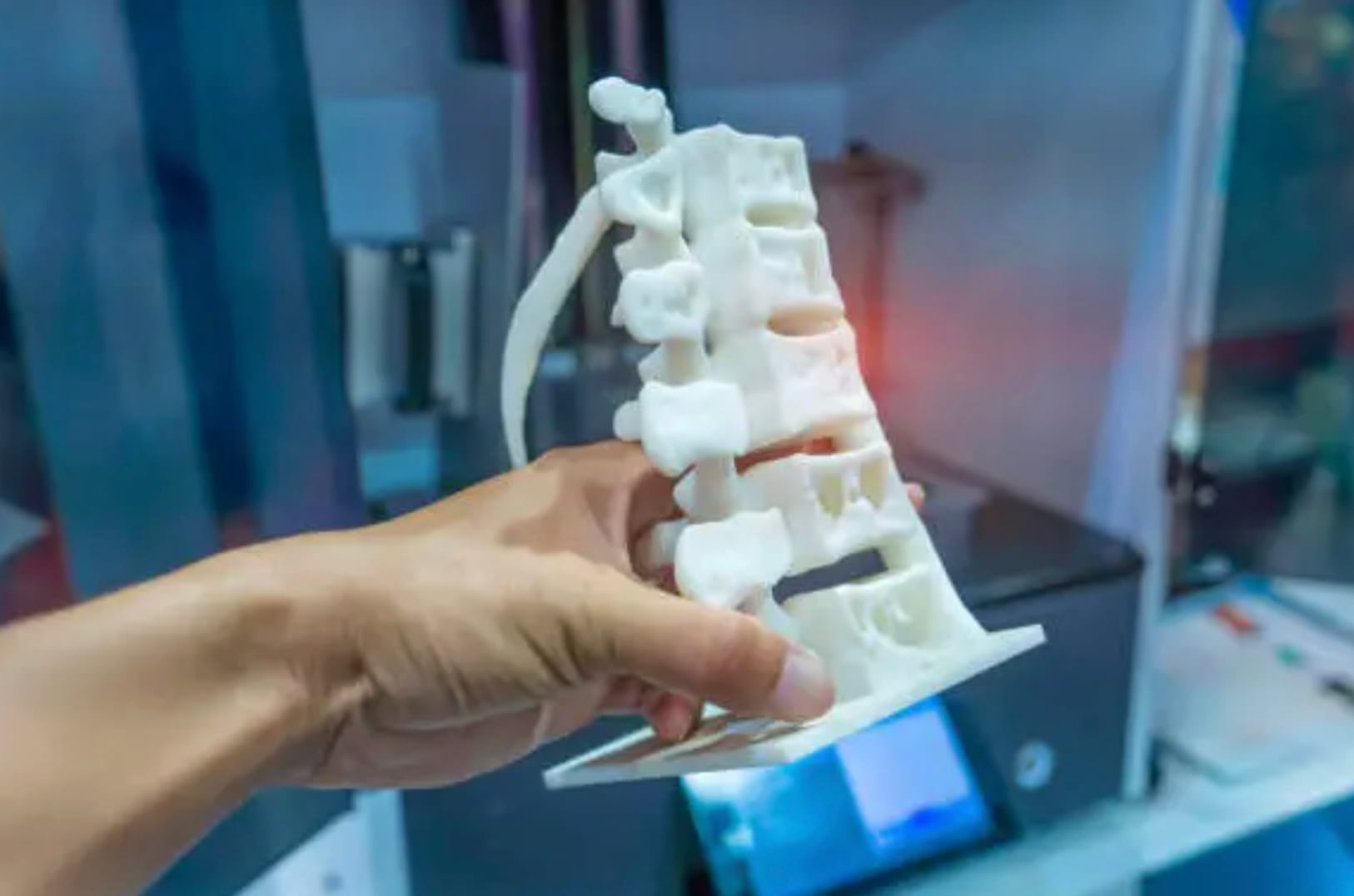
3D printing, or additive manufacturing, has become a powerful force in modern healthcare. Over the past decade, its rapid development has opened new possibilities for customization, efficiency, and innovation in medical treatment. As the technology continues to evolve, it is helping reshape how devices are designed, produced, and applied in patient care.
One of the most recognizable applications of 3D printing in medicine is in prosthetics. The ability to create custom-fit devices has significantly improved comfort and functionality for patients. Unlike traditional manufacturing methods, 3D printing allows for faster production and greater design flexibility, making it possible to develop prosthetics that better match an individual’s needs. These advances not only improve performance but also make devices more accessible by reducing production time and cost.
Expanding Possibilities in Implants and Reconstruction
Beyond prosthetics, 3D printing is transforming how medical professionals approach implants and reconstructive procedures. By using imaging data such as CT scans, manufacturers can produce implants that are tailored to a patient’s exact anatomy. This level of precision supports better outcomes, whether in joint replacements, craniofacial reconstruction, or other specialized procedures.
Customized implants help improve fit, reduce complications, and support more effective recovery. As the technology advances, these applications continue to expand, offering new solutions for complex medical challenges.
Innovation at the Cellular Level
One of the most promising areas of development is bio-printing. This technique uses bio-ink made from living cells to build tissue structures layer by layer. Researchers are already using this approach to create materials such as skin, cartilage, and bone, with the potential to support regenerative medicine in the future.
Bio-printing is also playing a role in research and development. By replicating human tissue, scientists can study diseases more effectively and test treatments in controlled environments. This has important implications for areas such as cancer research and drug development, where accurate models are essential.
Looking Ahead
The growth of 3D printing in healthcare reflects its ability to address both clinical and operational challenges. Its capacity for customization, speed, and efficiency makes it well suited for a system that increasingly values patient-specific care.
As adoption continues to expand, 3D printing is likely to become a standard part of medical manufacturing and treatment planning. By enabling more precise, personalized solutions, it is helping move healthcare toward a more adaptive and patient-centered future.
For further examples of 3D printing advancements in the medical industry, please see the accompanying resource from RevPart, a urethane casting and molding company.