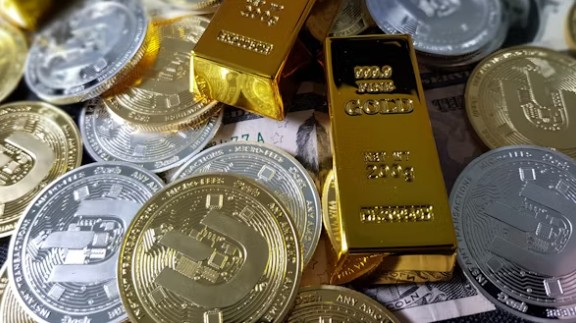
Gold and silver have remained valuable for thousands of years because they serve more than one purpose. You may see them as stores of value, physical assets, industrial materials or a form of financial protection during uncertain periods. While markets, currencies and investment trends continue to change, these metals remain relevant because they combine scarcity, recognition, practical use and long-standing trust.
Long-Standing Store Of Value Appeal
Gold and silver are often discussed as stores of value because they are tangible, scarce and widely recognised across different countries and cultures. Unlike paper money, which can be issued in greater quantities by governments and central banks, precious metals are limited by natural supply, mining output and refining capacity.
When you look at why investing in precious metals continues to interest different generations, this long history is usually part of the answer. The appeal is not only about short-term price movement. It is also about holding assets that may help preserve purchasing power over longer periods.
Recognition Across Global Markets
Gold and silver remain relevant because they are not tied to a single country, company or financial system. You can find them traded globally, priced in international markets and recognised by investors, institutions and central banks in many parts of the world.
This global recognition gives them a level of familiarity that newer assets often lack. A share, bond or managed product may depend heavily on the performance of a specific issuer, while gold and silver have value that is understood across borders. That does not make them risk-free, but it does help explain why they have remained prominent across different generations and economic cycles.
Ability To Help Balance Investment Risk
You may consider gold and silver because they can behave differently from other asset classes, such as equities, property or cash. During periods of inflation, currency weakness, market stress or geopolitical uncertainty, precious metals often attract attention from investors seeking defensive assets.
This is linked to the idea of portfolio diversification, where you spread exposure across different types of assets rather than relying on one market alone. Gold is often seen as the more defensive metal, while silver can be influenced by both investment demand and industrial use. Together, they can provide different forms of exposure within the broader precious metals category.
Practical And Industrial Demand
Gold and silver are not only held for investment purposes. They also have practical applications, which help support their relevance beyond wealth preservation. Gold is used in electronics, medical devices, aerospace components and high-end manufacturing because it conducts electricity well and resists corrosion.
Silver has even broader industrial uses. You will find it in solar panels, electronics, batteries, medical products and various technologies due to its conductivity and antimicrobial properties. This industrial demand means silver is connected not only to investment markets, but also to trends in manufacturing, clean energy and technology.
Tangibility In A Digital Age
As more wealth is held digitally, physical assets can feel increasingly important. Bank accounts, trading platforms and digital portfolios are convenient, but they depend on systems, institutions and access. Gold and silver, when held directly or through structured ownership arrangements, offer a different kind of asset experience.
This tangibility is part of their lasting appeal. You may value the fact that precious metals are real, finite materials rather than purely contractual or electronic claims exposed to counterparty risk. For generations that have seen financial crises, currency movements and rapid technological change, this physical quality can be reassuring.
Cultural And Historical Weight
Gold and silver have also stayed relevant because they carry cultural meaning. You see them in jewellery, heirlooms, coins, art, religious objects and national reserves. Families pass them down, governments hold them, and investors continue to track them as markers of financial confidence.
This cultural continuity matters. An asset that is understood by many generations can retain attention even as new markets emerge. While younger investors may explore digital assets or growth stocks, gold and silver remain familiar reference points when discussing wealth, security and long-term value.
Enduring Metals In A Changing World
Gold and silver remain relevant because they combine scarcity, global recognition, practical use and historical trust. Their prices can rise and fall, and they should be considered within a balanced investment approach, but their role has endured through changing currencies, economies and technologies. When you think beyond short-term trends, gold and silver continue to stand out as assets with both financial and generational significance.